Dispute Resolution in Real Estate Contracts
Real estate transactions involve substantial sums, complex legal obligations, and multiple parties with competing interests. Even with careful drafting, disagreements can arise over inspection findings, financing timelines, title defects, boundary issues, or failures to disclose material facts. When conflicts surface, the chosen path to resolve these real estate conflicts can have a major impact on costs, timing, and relationships.
Most purchase agreements outline how disputes must be handled. Understanding these mechanisms before a problem occurs helps buyers, sellers, brokers, and investors make informed decisions and manage risk effectively.
Arbitration vs. Court Litigation
Arbitration and court litigation are two ways to settle a disagreement. Both methods result in binding decisions, but they do so in different ways, with different levels of openness and flexibility.
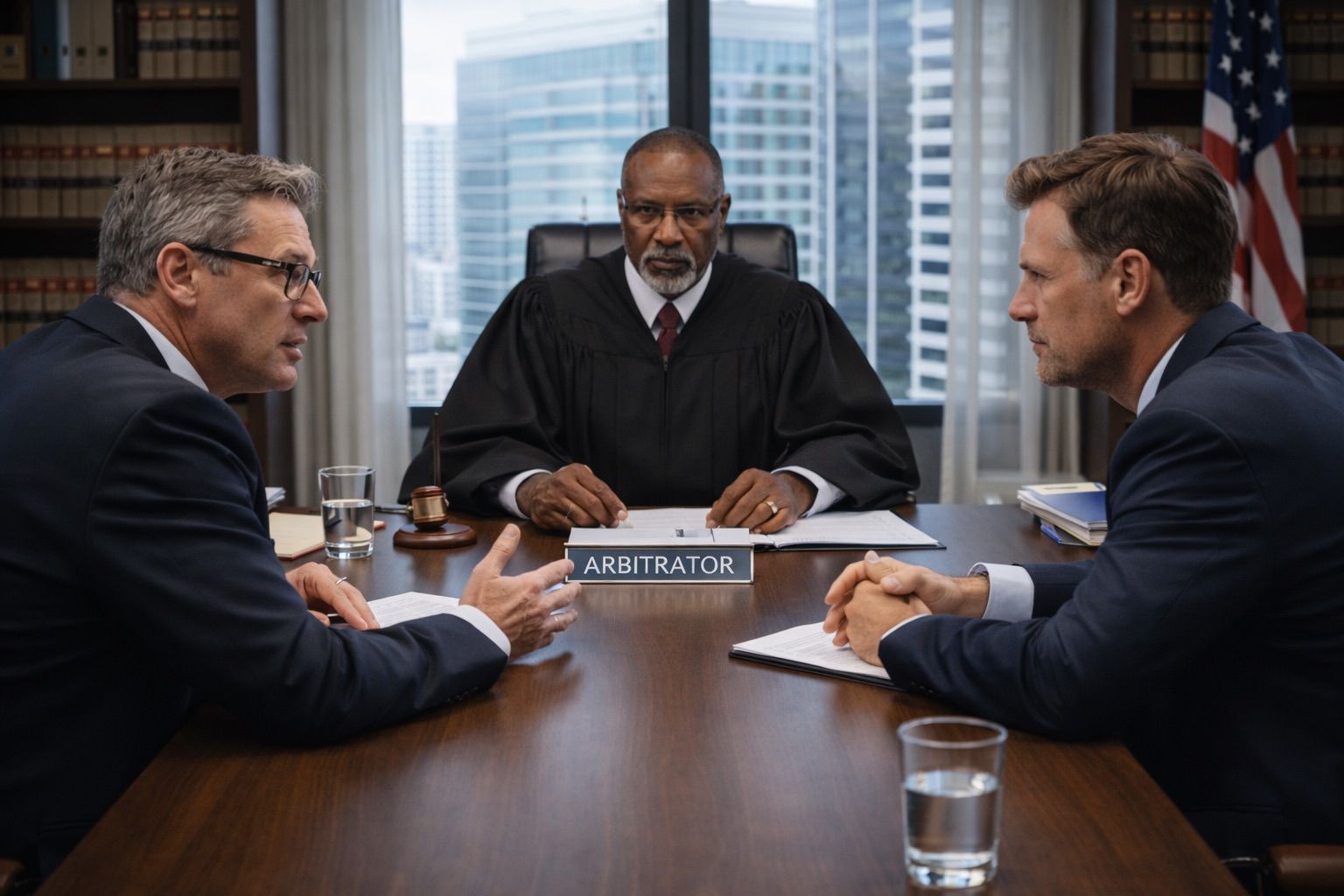
Arbitration is usually private. A neutral arbitrator or panel hears the evidence and decides. The process is typically faster than court cases because the discovery process is easier and there are fewer procedural issues. The parties can select arbitrators who are experts in real estate, but there are limits on the right to appeal, which make it harder to challenge an unfavorable decision.
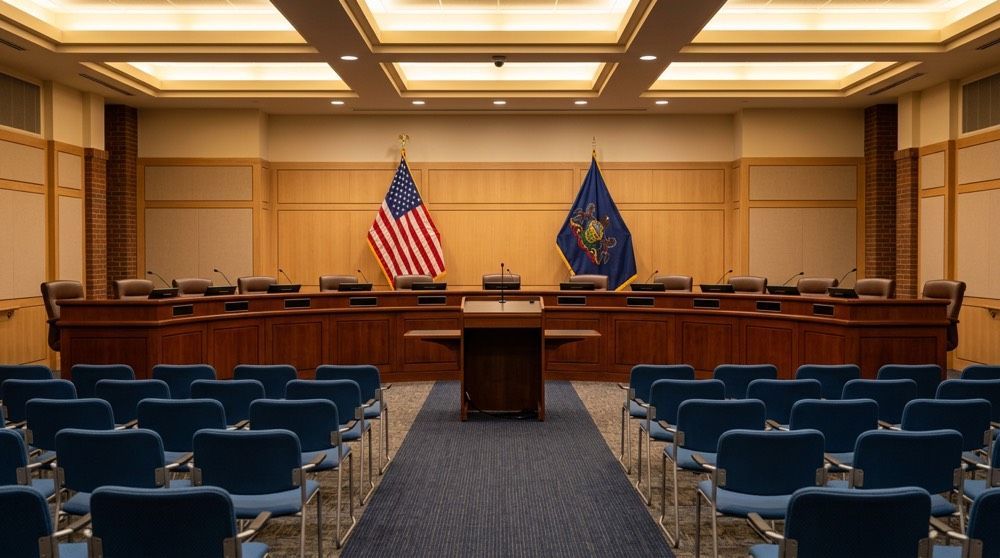
On the other hand, court litigation occurs within the public judicial system. Judges (and sometimes juries) apply established rules of evidence and civil procedure. Although litigation may offer more extensive discovery mechanisms and clearer avenues for appeal, it can be costly and protracted. Public exposure can also harm a business's reputation and customer relationships.
The better choice depends on what the parties want most: speed, privacy, cost control, or an opportunity to appeal.
Mediation Processes
Mediation is a less confrontational approach. A trained mediator does not make decisions for the parties; instead, they help them have structured conversations to reach a voluntary agreement.
The process usually starts with a meeting where both sides share their perspectives. The mediator then meets with each participant privately to discuss their interests, clarify any confusion, and explore possible settlements. Mediation can keep professional relationships intact and allow for creative solutions that a court might not order, like repair credits, changes to the timeline, or changes to the contingencies.
Mediation is usually faster and less expensive than arbitration or court proceedings. It is not binding unless both sides sign an agreement, but the chances of success are high when both sides act in good faith.
Effective Negotiation Techniques
Strong negotiation can often keep things from getting worse. It is important to be ready: both sides should understand the contract, how the market works, what paperwork they need, and what their best option is if talks break down.
Being clear about what they mean can help both parties be less defensive. Focusing on interests rather than positions could help find ways to reach an agreement. For instance, a seller might want to ensure the deal closes, while a buyer might be concerned about the cost of repairs. An escrow holdback might work for both.
Using objective standards, such as contractor estimates or data on similar sales, can help keep discussions fair. Lastly, hiring experienced agents or lawyers can help keep conversations on track and add structure.
Negotiation can not only settle disagreements but also build trust and protect the value of long-term investments when done carefully.
Contact the Real Estate Lawyers at Bingaman Hess for Help in Resolving Contract Disputes
Experience the benefits of working with a real estate attorney. Contact Bingaman Hess to schedule a consultation with one of our experienced real estate law attorneys. Our seasoned legal professionals bring a wealth of skill and experience to every case, ensuring you receive the highest level of representation and personalized attention.
This article is for informational purposes only and does not constitute legal advice. No one may rely on this information without consulting an attorney. Anyone who attempts to use this information without attorney consultation does so at their own risk. Bingaman Hess is not and shall never be responsible for anyone who uses this information. It is not legal advice.
News & Information