Tort Claims in Business Conflicts
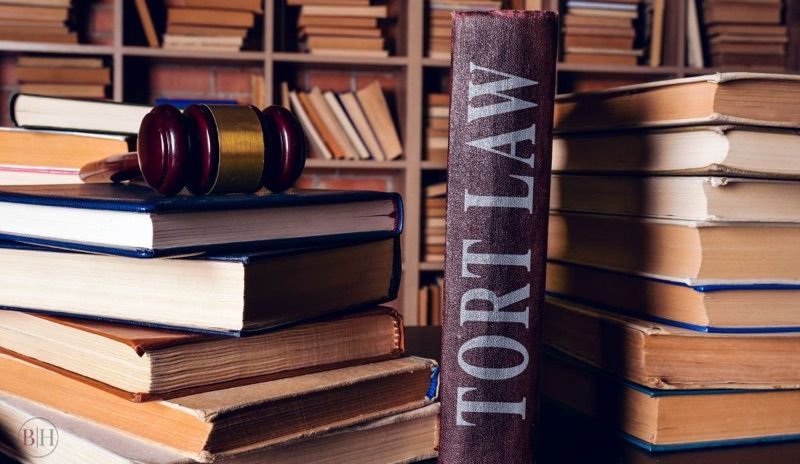
Occasionally, businesses encounter challenges that go beyond the typical contract disputes and enter the realm of tort law. People or companies can recover money through tort claims litigation if these actions cause damage intentionally, by accident, or through bad behavior.
These claims can arise in routine commercial situations, including when partnerships collapse, problems arise between competitors, or professional relationships fall apart. They can negatively affect a company's reputation and revenues.
Once businesses grasp the basic types of tort claims and how courts evaluate who is responsible, they can better handle risk and respond effectively when problems develop.
Negligence Claims
Negligence is among the most common torts asserted in business conflicts. These claims arise when a party fails to exercise reasonable care, resulting in financial loss, property damage, or other harm to another business. To succeed in a negligence claim, the plaintiff must prove four elements: duty, breach, causation, and damages.
- A duty may arise from professional responsibilities, industry norms, or particular business affiliations.
- A breach occurs when someone fails to meet the standard of care expected in similar situations. For example, a supplier failing to follow proper quality-control procedures, or a company failing to follow important safety rules.
- To prove causation, one has to show that the breach directly caused the harm you are claiming.
- Damages must also be measurable and supported by evidence.
Many businesses spend considerable money on compliance, training, and documentation to reduce their risk of being sued for negligence, as such claims can lead to enormous payouts.
Defamation Cases
When competition is high, a company's reputation is one of its most valuable assets. Libel is when someone writes something that harms a business's reputation, and slander is when someone says something that damages a business's good name. These conflicts often occur when companies or their leaders are trying to sell something, are in the middle of tough negotiations, or are fighting over something in public.
For the plaintiff to win, they must show that the defendant made a false statement presented as fact, told it to someone else, and that it hurt the plaintiff's reputation or finances. Depending on the parties involved, courts also consider whether the defendant was careless or acted with real malice.
Defamation cases can attract a lot of public attention, which can be dangerous in more ways than just financial. That's why being careful when talking to others and checking facts in any business situation is essential.
Liability Assessments
When tort claims emerge, courts undertake detailed liability assessments to determine who is responsible and to what extent. This is a painstaking process that involves reviewing contracts, internal communications, regulatory standards, and expert testimony to determine what a reasonable party would have done in similar circumstances. Comparative fault may also be applied, assigning percentages of liability to multiple parties when shared responsibility exists.
For businesses, understanding how liability is evaluated is crucial for strategic decision-making, whether they are negotiating settlements, pursuing insurance coverage, or implementing operational reforms. Effective risk management, clear documentation, and proactive legal guidance can significantly reduce exposure to tort claims and help resolve conflicts efficiently.
Experienced Litigation Attorneys You Can Trust
An experienced civil litigation attorney will specialize in representing parties involved in tort claims. Whether you are the plaintiff or defendant, the expert legal team at Bingaman Hess will provide knowledgeable guidance while offering all the options to help you achieve the desired outcome.
Contact us today at 610.374.8377 or find us online.
This article is for informational purposes only and does not constitute legal advice. No one may rely on this information without consulting an attorney. Anyone who attempts to use this information without attorney consultation does so at their own risk. Bingaman Hess is not and shall never be responsible for anyone who uses this information. It is not legal advice.
News & Information