Developing Mixed-Use Properties
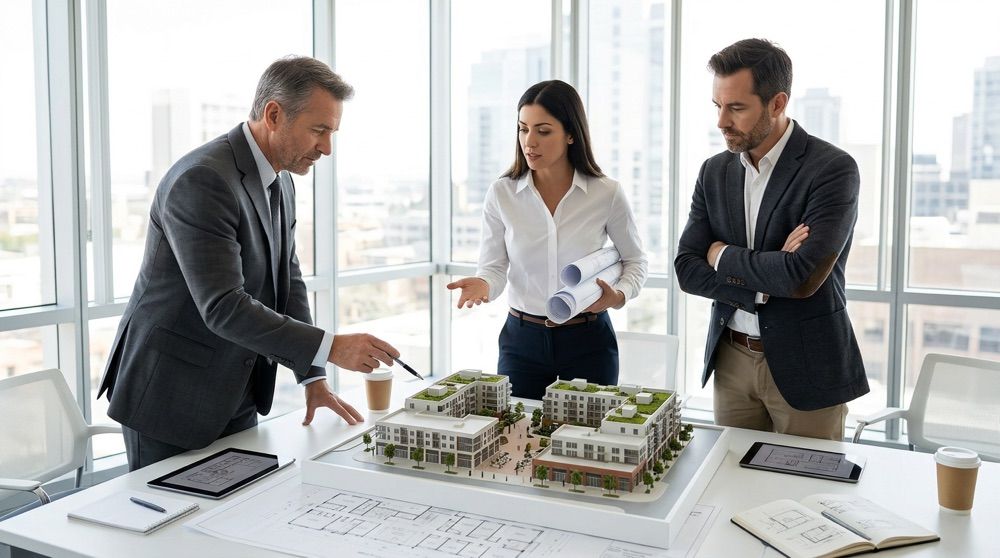
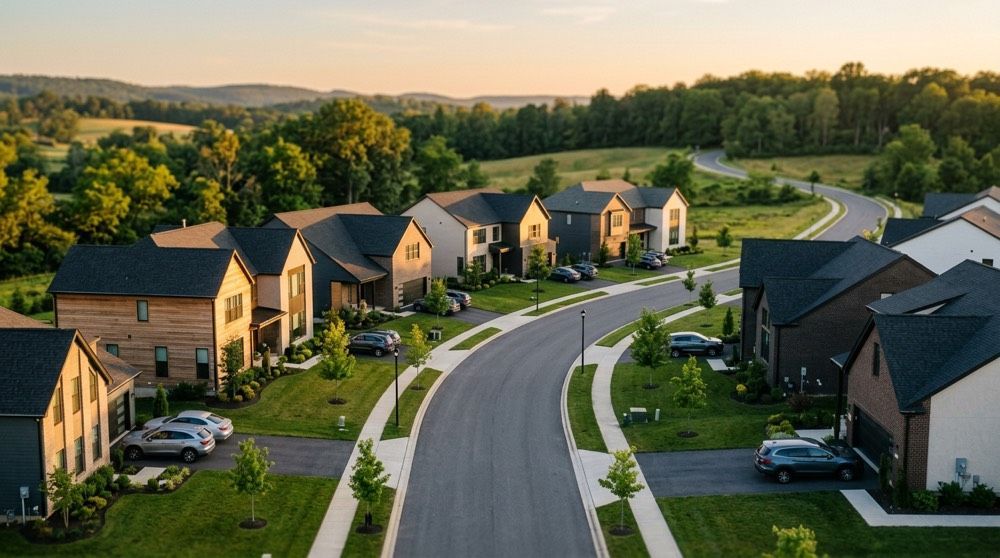
Mixed-use developments integrate residential, commercial, retail, and recreational components within a unified project. These developments are increasingly favored in urban and suburban markets for their proven ability to foster walkable communities, optimize land use, and drive economic growth. Successfully developing mixed-use properties requires planning, understanding real estate law, and strong community relationships to ensure enduring results.
Planning and Zoning for Mixed-Use Development
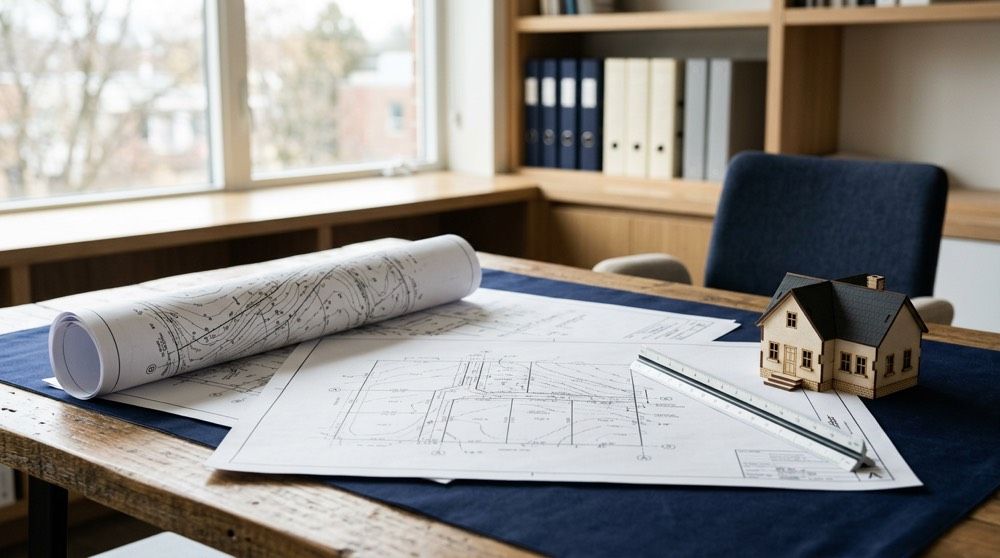
The critical foundation of any high-performing mixed-use project is planning and precise zoning. Developers must determine with certainty whether the chosen property is already zoned for mixed-use purposes or if rezoning procedures and variances must be pursued. Local zoning ordinances govern vital aspects, including building height, density, parking requirements, traffic flow, and the balance between residential and commercial space.
Comprehensive planning is non-negotiable, as mixed-use properties require careful balancing of multiple stakeholder needs. Residential tenants demand privacy and effective noise control, whereas retail businesses require maximum visibility, parking convenience, and consistent customer traffic. Superior site design is essential in proactively minimizing potential conflicts between these uses.
Meticulous infrastructure planning is indispensable. High-performing utilities, public transportation access, pedestrian pathways, green spaces, and robust stormwater management systems must be designed to serve dense, active populations. Developers consistently engage with urban planners, architects, engineers, and municipal officials to guarantee alignment with local development objectives and sustained growth strategies.
Mixed-use projects frequently qualify for redevelopment incentives, tax abatements, or density bonuses when consistent with municipal revitalization priorities. Mastering these opportunities at the outset is crucial to optimizing project feasibility.
Legal Obstacles
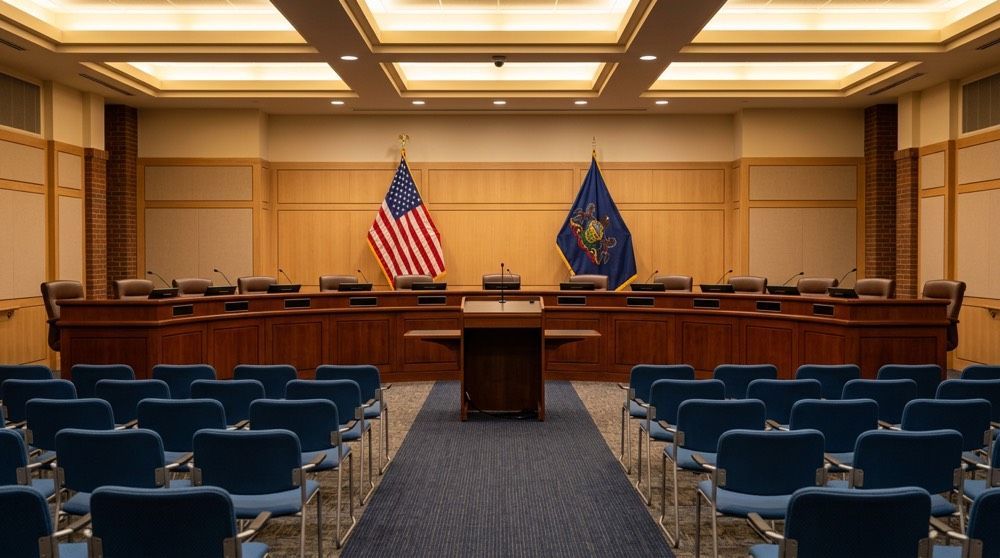
Mixed-use developments present multifaceted legal challenges surpassing those encountered in traditional real estate projects. Navigating the approval process is often complex, engaging zoning boards, planning commissions, environmental agencies, and building departments. Permitting or regulatory delays can decisively impact project timelines and budgets.
Developers are responsible for thoroughly addressing land-use restrictions, environmental regulations, and compliance with all accessibility standards. Rigorous environmental assessments are often necessary to identify contamination risks, drainage concerns, and traffic impacts before construction can proceed.
A principal legal consideration is the structure of ownership and operational duties. Mixed-use properties typically involve multiple ownership interests, such as residential condominiums coupled with commercial leases. Executing definitive agreements governing maintenance, shared utilities, insurance responsibilities, and management of common areas is essential to avoid future disputes.
Reviewing construction contracts, financing arrangements, and lease negotiations with precision is imperative. Given the scale and complexity of mixed-use projects, developers must engage seasoned real estate attorneys to coordinate contracts and oversee regulatory compliance throughout the project lifecycle.
Community Participation Strategies
Public meetings, workshops, and open forums let developers explain project benefits and get early planning feedback.
Developers must proactively address concerns about traffic, parking, noise, or changes to neighborhood character. Transparent communication establishes trust with stakeholders and demonstrates a commitment to incorporating community perspectives.
Successful developers show that mixed-use projects create jobs, add homes, support businesses, and increase walkability.
With a meticulously crafted strategic plan, robust legal and financial frameworks, and intentional community outreach, developers consistently deliver mixed-use projects that yield sustained economic and social returns for growing communities.
Contact the Real Estate Lawyers at Bingaman Hess for Help in Developing Mixed-Use Properties
Experience the benefits of working with a real estate attorney. Contact Bingaman Hess to schedule a consultation with one of our experienced real estate law attorneys.
Our seasoned legal professionals bring a wealth of skill and experience to every case, ensuring you receive the highest level of representation and personalized attention.
This article is for informational purposes only and does not constitute legal advice. No one may rely on this information without consulting an attorney. Anyone who attempts to use this information without attorney consultation does so at their own risk. Bingaman Hess is not and shall never be responsible for anyone who uses this information. It is not legal advice.
News & Information