Handling Security Deposits
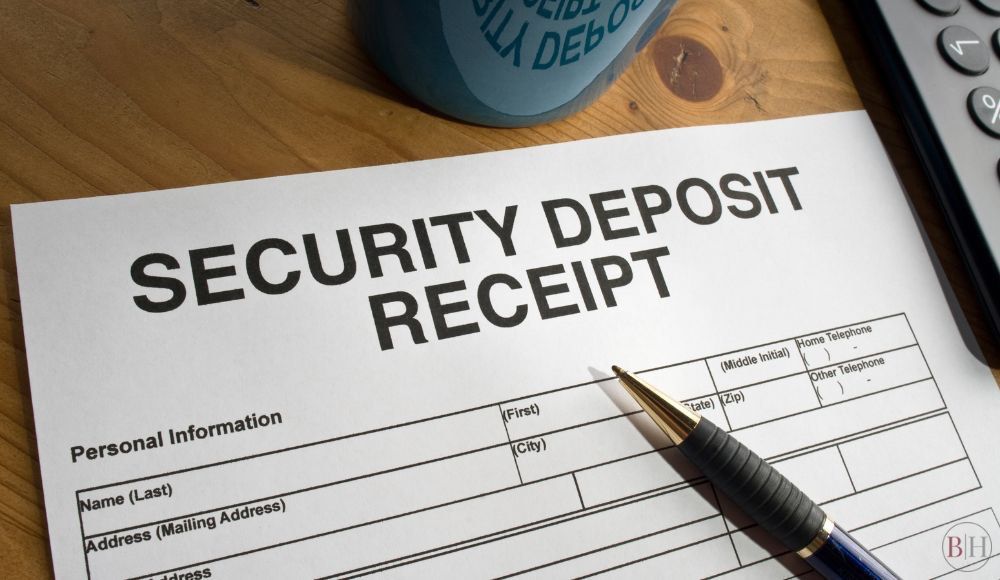
Security deposits are part of nearly every rental agreement. They offer landlords financial protection against unpaid rent or damage and give tenants an incentive to maintain the property.
However, these deposits often become a source of conflict if they are not managed properly. An experienced real estate attorney can help landlords and tenants avoid disputes by explaining the laws governing these deposits, the proper procedures for handling them, and the specific rental rules that apply in their state.
Legal Regulations
Most jurisdictions have straightforward regulations regarding security deposits, including the amount that landlords may charge, the manner in which the money must be held, and the conditions under which it should be returned. In most cases, landlords are required to keep the deposit in a separate account and may also be required to pay interest on the funds.
The amount of the deposit is often capped, usually equal to one or two months’ rent. Landlords must also provide tenants with a written statement detailing the purpose of the deposit and the conditions under which deductions can be made. Landlords who fail to follow these regulations may be subject to penalties, including the forfeiture of the right to retain any portion of the deposit.
Handling Disputes Over Deposits
Disputes typically arise when tenants believe that landlords are unfairly withholding rent money. Common points of contention include disagreements over what constitutes normal wear and tear versus damage. For example, faded paint or minor carpet wear is considered normal, while holes in the wall or broken fixtures may justify deductions.
To reduce conflict, landlords should provide a detailed move-in and move-out inspection checklist, ideally with photos. Clear communication and documented evidence make it easier to justify deductions or to challenge them if you are a tenant. If the parties cannot resolve the disputes directly, they could end up in mediation or small claims court.
State-Specific Guidelines
Although general principles are consistent, security deposit rules vary from state to state. For instance, some U.S. states require landlords to return the deposit within 14 days, while others allow up to 60 days or have no statutory deadlines. In Pennsylvania, landlords have 30 days to return security deposits, and are fined twice the deposit amount for failure to comply.
It is best to review the local landlord-tenant laws before entering into a lease. Both parties should familiarize themselves with the timelines, limits, and procedures applicable in their region to avoid misunderstandings and potential legal consequences.
Contact the Real Estate Lawyers at Bingaman Hess for Help with Security Deposits
Experience the benefits of working with a real estate attorney. Contact Bingaman Hess to schedule a consultation with one of our experienced real estate law attorneys. Our seasoned legal professionals bring a wealth of skill and experience to every case, ensuring you receive the highest level of representation and personalized attention.
This article is for informational purposes only and does not constitute legal advice. No one may rely on this information without consulting an attorney. Anyone who attempts to use this information without attorney consultation does so at their own risk. Bingaman Hess is not and shall never be responsible for anyone who uses this information. It is not legal advice.
News & Information