Navigating Commercial Lease Disputes
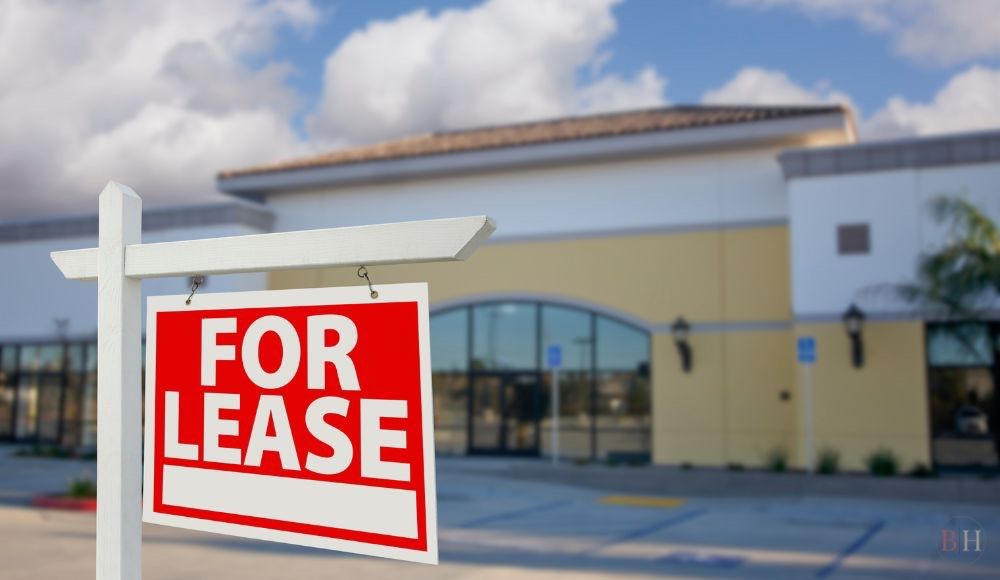
Commercial leases are a common feature in many business operations today, as they provide companies with the necessary space for growth and stability. However, there are disputes surrounding these leases at times. When these disputes arise, they can disrupt operations, strain finances, and damage relationships. A civil litigation attorney can advise landlords and tenants of the causes of these conflicts so that they can avoid litigation by employing strategies to resolve them.
Lease Agreement Disputes
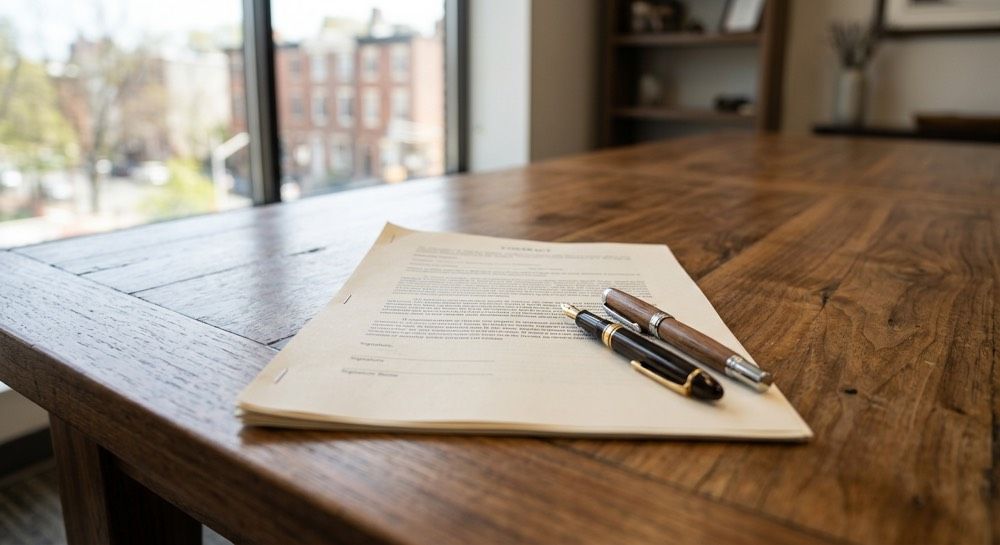
Some commercial lease disputes stem from ambiguities or oversights within the lease agreement itself. These contracts are often lengthy and highly detailed, covering rent structures, maintenance obligations, permitted use, and renewal terms. Issues may arise when language is vague or open to multiple interpretations.
Disagreements may occur over responsibility for repairs and improvements. For example, a landlord might argue that the tenant is responsible for certain repairs, but the tenant believes the landlord is responsible.
These disputes can also arise over rent escalation clauses if the method of rent increase is unclear. If the terms are not updated during renewal periods, or if the documentation isn't consistent, it can also lead to conflict.
Companies can mitigate these risks by conducting thorough legal reviews before signing a lease and ensuring that the lease clearly outlines their rights. Being transparent from the start makes it less likely that problems will arise later.
Landlord-Tenant Conflicts
Some possible points of contention include late payments, unpaid rent, or claims that the tenant is not adhering to zoning or permitted use rules. Tenants may also complain about the condition of the property, stating that landlords have not maintained basic services, such as heating, plumbing, or parking.
Landlords, on the other hand, may accuse tenants of property damage, unauthorized alterations, or disruptive operations that affect neighboring businesses. In some cases, broader economic factors—such as sudden market downturns—can increase tensions as tenants struggle to meet rent obligations. At the same time, landlords rely on steady income to cover their own financing and upkeep costs.
A communication breakdown can cause even minor issues to escalate into full-scale disputes, threatening both business continuity and property value.
Resolution Strategies
A plan for solving problems can save time, money, and relationships. The first step is open communication. It sometimes possible to resolve disagreements through direct discussion.
Mediation may also be possible. A neutral third party facilitates communication between the parties and helps them find a middle ground without resorting to court action. Arbitration is another option. It is a more formal process, and both sides must follow the decision rendered.
Litigation is often the last resort when the parties cannot resolve disputes privately. But it can be costly and time consuming.
The best way to avoid long-lasting arguments is to take proactive steps, such as writing clear agreements, maintaining open lines of communication, and keeping detailed records of all interactions.
Experienced Litigation Attorneys You Can Trust
An experienced civil litigation attorney will specialize in representing parties involved in real estate contract breaches. Whether you are the plaintiff or defendant, the expert legal team at Bingaman Hess will provide knowledgeable guidance while offering all the options to help you achieve the desired outcome.
Contact us today at 610.374.8377 or find us online.
This article is for informational purposes only and does not constitute legal advice. No one may rely on this information without consulting an attorney. Anyone who attempts to use this information without attorney consultation does so at their own risk. Bingaman Hess is not and shall never be responsible for anyone who uses this information. It is not legal advice.
News & Information