The Pennsylvania Real Estate Transaction: A Legal Guide for Buyers, Sellers, and Investors

A Pennsylvania real estate transaction moves through five legal stages: the agreement of sale, the seller's disclosures and the buyer's due diligence, title review, financing, and settlement, when the deed is signed and then recorded. Each stage has its own deadlines and its own risks, and most disputes trace back to a term in the agreement of sale that nobody read closely.
What are the stages of a Pennsylvania real estate transaction?
Nearly every Pennsylvania sale, residential or commercial, follows the same order: a signed agreement, a window for inspections and other contingencies, title work, loan approval, and settlement. What changes from deal to deal is how much can go wrong inside each step.
A typical sequence looks like this:
- Agreement of sale. The buyer and seller sign a written contract that sets the price, the deposit, the deadlines, and the conditions that must be met before closing.
- Disclosures and due diligence. For most homes, the seller delivers a property disclosure statement, and the buyer inspects, appraises, and investigates.
- Title. A title search traces ownership and turns up liens, easements, and other claims against the property, and a title insurer commits to cover it.
- Financing. The lender appraises the property, underwrites the loan, and issues the final loan figures.
- Settlement and recording. The parties sign, funds move, the deed is delivered, and the deed and any mortgage are recorded with the county.
Commercial deals add layers, including zoning confirmation, environmental review, lease audits, and entity documents, but the skeleton is the same. A commercial real estate attorney spends most of the effort on the first two stages, because that is where the parties still have leverage to change terms. The firm's real estate law practice handles residential, commercial, and municipal real estate transactions.
The agreement of sale sets the rules for everything after it
The agreement of sale is the most important document in the transaction, because it decides what each side must do, by when, and what happens if they do not. Once it is signed, most of the negotiation is over.
Under Pennsylvania's statute of frauds, an agreement to sell real estate generally cannot be enforced unless it is in writing and signed by the party to be bound, and residential agreements are commonly prepared on standard forms. Standard does not mean neutral. Each form contains blanks and options that shift risk: how large the deposit is and who holds it, whether time is "of the essence," which inspections the buyer may perform and how many days the buyer has to perform them, whether the deal depends on financing or on the sale of the buyer's current home, and what happens to the deposit if the buyer walks away.
The deposit, often called hand money, is usually held in escrow by a broker or settlement agent named in the agreement. Whether a buyer gets it back after cancelling depends almost entirely on whether the buyer cancelled under a contingency, on time, and in the manner the agreement requires. A missed deadline can turn a refundable deposit into the seller's damages.
Our post on real estate purchase and sale agreements covers the basic terms. The point here is timing: an agreement is easiest to fix before anyone signs it, and an attorney's review at that moment is usually the least expensive legal step in the entire transaction.
What must a Pennsylvania seller disclose?
A Pennsylvania seller of a home must disclose known material defects in a written property disclosure statement and deliver a signed, dated copy to the buyer before the agreement of sale is signed. The rule comes from the Real Estate Seller Disclosure Law, Chapter 73 of Title 68.
The core duty is in 68 Pa.C.S. § 7303: "Any seller who intends to transfer any interest in real property shall disclose to the buyer any material defects with the property known to the seller by completing all applicable items in a property disclosure statement." The statement covers the roof, basements, structural problems, water and sewage systems, plumbing, heating and electrical systems, soils and drainage, hazardous substances, legal issues affecting title, and, since a 2015 amendment, stormwater facilities and who must maintain them.
Three limits on the duty matter in practice. First, under § 7308 the seller "is not obligated by this chapter to make any specific investigation or inquiry," but may not make statements the seller knows or has reason to know are false and may not hide a known material defect. Second, under § 7307, if information becomes inaccurate before final settlement, the seller must tell the buyer. Third, the law does not reach every sale: under § 7302 it does not apply to transfers by a fiduciary administering an estate, guardianship, conservatorship, or trust, or to certain new construction sold with a warranty of a year or longer.
That estate-sale exception surprises buyers. When a house is sold by an executor, the buyer often receives no statutory disclosure at all, which makes the buyer's own inspections far more important.
Inspections, contingencies, and the due diligence window
The due diligence period is the buyer's chance to learn what the disclosure statement could not tell them, and to leave or renegotiate if the answer is bad. Its length and its exit rights are set by the agreement of sale, not by statute.
Residential buyers commonly order a home inspection, a wood-destroying-insect inspection, and, depending on the property, radon, well water, septic, or mold testing. Some Pennsylvania municipalities also require a resale or use-and-occupancy inspection before a home can change hands, and an open violation found at that stage can delay settlement or shift repair costs between the parties.
The legal question is always the same: what does the contingency let the buyer do with the results? Some clauses allow the buyer to terminate outright. Others require the buyer to propose corrections first and allow the seller a set number of days to respond. A buyer who sends a vague objection, or sends it a day late, may lose the right to cancel.
Boundary and access questions belong in this window too. If a driveway crosses a neighbor's lot, or a utility line runs under the yard, the time to understand that is before closing. Our post on understanding real estate titles explains how those rights show up in the record.
Title, title insurance, and the deed
Title work confirms that the seller actually owns what is being sold and identifies every lien, easement, and restriction the buyer will inherit. Title insurance then protects the buyer and the lender against covered defects that the search missed.
A title search follows the chain of ownership through the recorded deeds and checks for mortgages, judgments, municipal liens, unpaid taxes, and recorded easements or covenants. The title company issues a commitment listing the requirements that must be met before it will insure, such as paying off an existing mortgage, and the exceptions it will not cover. Reading the exceptions is the buyer's job. An exception for an unrecorded easement or for "any state of facts an accurate survey would show" may be standard, or it may be the problem.
Two policies are common. A lender's policy protects the bank's loan. An owner's policy protects the buyer's equity, is paid for once at settlement, and generally lasts as long as the buyer or the buyer's heirs own the property. A lender will require its own policy; the owner's policy is the buyer's choice, and skipping it to save money at closing is a decision many owners later regret.
The deed itself transfers title, and its form determines what promises the seller makes about the title being conveyed. Our post on types of deeds in Pennsylvania compares the general warranty, special warranty, and quitclaim forms.
Financing and the final loan figures
When a buyer finances the purchase, the lender's timeline becomes part of the deal, and the mortgage contingency decides what happens if the loan falls through. Buyers should treat its deadline as seriously as the closing date.
A typical mortgage contingency requires the buyer to apply within a set number of days and to obtain a written commitment by a later date. If no commitment arrives, the agreement usually gives one or both parties the right to terminate. If the buyer did not apply on time, or applied for a different loan than the agreement describes, the protection can disappear.
For most residential mortgage loans, federal rules enforced by the Consumer Financial Protection Bureau require the lender to deliver a Closing Disclosure, the final statement of loan terms and closing costs, at least three business days before settlement. Comparing it line by line with the earlier loan estimate is the last chance to catch an error before money moves.
Commercial financing works differently. Loan documents are negotiated rather than standardized, and lenders commonly require estoppel certificates from tenants, subordination agreements, environmental reports, and guaranties from the owners.
Realty transfer tax: who pays and how much?
Pennsylvania imposes a realty transfer tax on most sales of real estate, at a state rate of 1 percent of the property's value, plus a local tax that varies by municipality and school district. Who actually pays it is usually set by the agreement of sale.
According to the Pennsylvania Department of Revenue, the state tax is "imposed at a rate of 1 percent on the value of real estate" transferred by deed, instrument, long-term lease, or other writing, and is collected, "often along with an additional local realty transfer tax, by county Recorders of Deeds." The Department also states that "both grantor and grantee are held jointly and severally liable for payment of the tax," which means the Commonwealth can look to either side if it goes unpaid.
In practice, residential agreements often divide the transfer tax between buyer and seller, but that is a negotiated term, not a rule. Local rates vary, and some municipalities charge more than others, so the total can differ noticeably between neighboring towns.
The Department lists exemptions that include certain transfers among family members, certain transfers of ownership in real estate companies and farms, and property passed by will or by intestate succession. Whether a particular transfer qualifies depends on its facts and should be confirmed before the deed is prepared, not after.
Settlement and recording in Berks County
Settlement is the meeting, in person or by mail-away signing, where the parties sign the closing documents, the funds are disbursed, and the deed is delivered. Recording the deed afterward is what puts the world on notice of the new owner.
A settlement agent, usually a title company or an attorney, prepares the settlement statement, collects the buyer's funds and the lender's loan proceeds, pays off the seller's mortgage and any liens, collects the transfer taxes, and sends the deed and mortgage for recording. Buyers should bring government-issued identification and should confirm wiring instructions by telephone with the settlement agent, because wire-fraud schemes deliberately target real estate closings.
For property in Berks County, the deed is recorded with the Berks County Recorder of Deeds, at the Berks County Services Center, 633 Court Street, Reading. The office records deeds, mortgages, and other real estate documents and collects the state and local transfer taxes at recording. Our post on understanding real estate settlements walks through the settlement statement itself.
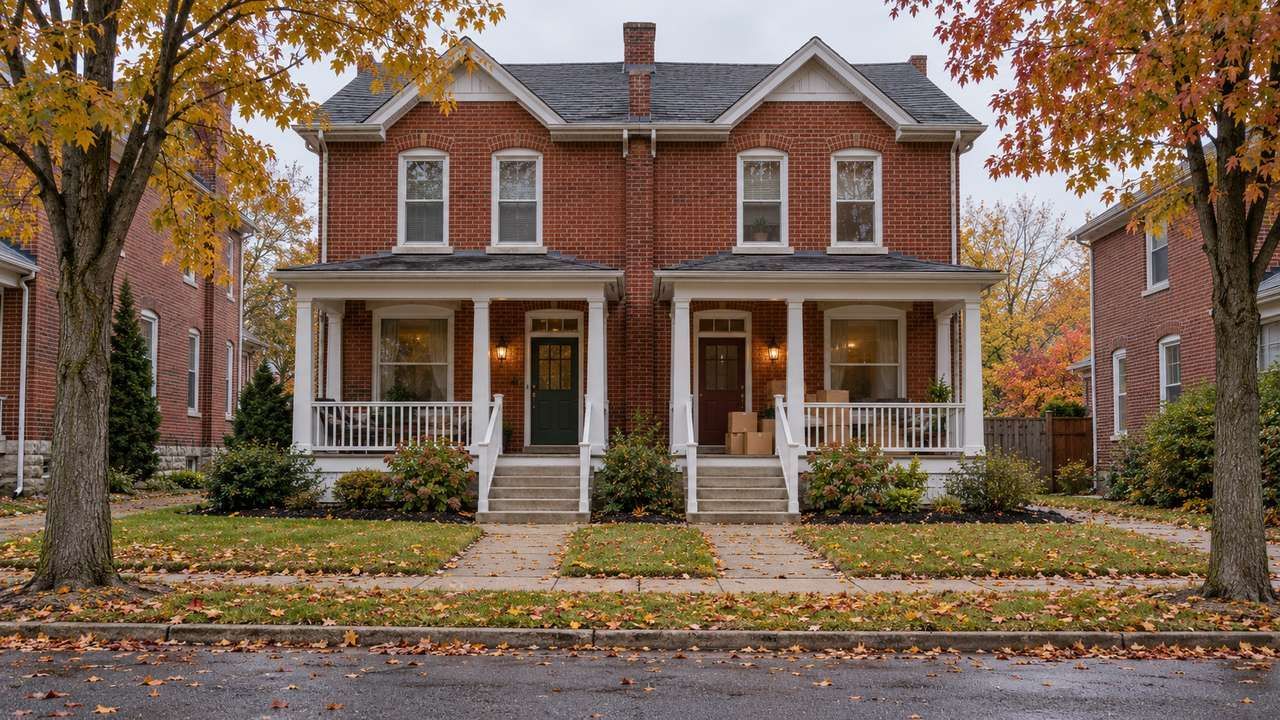
A practical example: a family buying a twin home in Shillington and a business buying a small office building in Wyomissing will sign different contracts, face different inspections, and pay different local transfer tax rates, but both deeds end up at the same recording desk in Reading.
Commercial deals add leases, zoning, and environmental review
A commercial purchase carries risks a home sale does not, and the Seller Disclosure Law does not protect a commercial buyer, because under § 7302 it applies to residential real estate transfers. In a commercial deal, the buyer's investigation is the protection.
A commercial buyer's due diligence usually includes:
- Zoning and land use. Confirming that the current or planned use is permitted, that any nonconforming use is legally protected, and that there are no open violations. The firm's zoning and land use attorneys handle these questions for landowners and municipalities throughout Berks County.
- Environmental review. Commissioning a Phase I environmental site assessment, which the U.S. Environmental Protection Agency recognizes as a way to meet the "all appropriate inquiries" standard behind certain federal Superfund liability protections, and which lenders often require.
- Leases and tenants. Reviewing every lease, rent roll, and security deposit, and obtaining estoppel certificates in which tenants confirm their rent, term, and any claims against the landlord. Our post on landlord-tenant law for commercial properties covers the landlord's side of that relationship.
- Physical and accessibility condition. Building systems, roof, parking, and accessibility compliance, each of which can carry a large capital cost.
- Survey and access. A survey confirms boundaries, encroachments, and legal access, and supports broader title insurance coverage.
Commercial agreements of sale are drafted for each deal rather than taken from a standard form, which means every protection the buyer wants has to be written in.
Investors: ownership structure, co-owners, and exit planning
How an investor holds title matters as much as what the investor buys, because the ownership structure controls liability, taxes, and how the owners can exit. These decisions are easiest to make before the deed is signed.
Many investors hold rental or commercial property in a limited liability company to separate the property's liabilities from their personal assets, but an LLC protects only when it is properly formed, adequately insured, and run as a separate business. Co-owners who take title together as tenants in common should sign a written agreement covering contributions, decisions, and buyouts; without one, a disagreement can end in a court-ordered sale.
Investors selling one property to buy another may be able to defer federal income tax through a like-kind exchange under Section 1031 of the Internal Revenue Code. The exchange has strict identification and closing deadlines and generally must be set up before the first sale closes, so it belongs in the planning conversation, not in the week before settlement. A property owner's tax assessment is a separate issue that can be appealed when it is out of line with market value.
Do you need a real estate attorney if you already have an agent?
Pennsylvania does not require a lawyer at every residential closing, and many sales close without one. But an agent and an attorney do different jobs, and the transactions where the difference matters are easy to identify in advance.
Agents are central to most sales. According to the National Association of Realtors 2025 Profile of Home Buyers and Sellers, released November 4, 2025, "88% of all home buyers used an agent or broker." An agent markets the property, negotiates price, and manages the timeline. An agent does not give legal advice about what a contract term means, how a title defect affects ownership, or what to do when the other side defaults.
Legal counsel is worth involving when the property is being sold by an estate, when there is no agent on one side, when the title commitment shows an exception nobody can explain, when the buyer is purchasing commercial or investment property, when a boundary or access problem appears, or when either party wants to cancel and keep, or recover, the deposit. Bingaman Hess attorneys handle these issues for buyers, sellers, and lenders across Berks County and eastern Pennsylvania.
After closing: defects, disputes, and deadlines
Closing ends the transaction but not every obligation, and Pennsylvania sets firm deadlines for some claims. A buyer who discovers a problem should act quickly and keep records.
Under 68 Pa.C.S. § 7311, a seller or agent who willfully or negligently violates the Seller Disclosure Law is liable for the buyer's actual damages, but "an action for damages as a result of a violation of this chapter must be commenced within two years after the date of final settlement." The same section provides that a sale is not invalidated solely because someone failed to comply. And under § 7314, a buyer has no cause of action under the chapter for defects that were disclosed before the agreement was signed, for defects that develop after signing, or for defects that occur after settlement.
Other claims, such as fraud, breach of the agreement of sale, or title insurance claims, follow their own rules and deadlines. The safest practice is to keep the agreement, the disclosure statement, the inspection reports, and the title policy together, and to get advice as soon as a dispute appears.
Frequently Asked Questions
Can a Pennsylvania buyer back out after signing an agreement of sale?
Usually only through a contingency the agreement provides, such as an inspection, financing, or appraisal contingency, and only by following its deadline and notice terms exactly. A buyer who cancels without a contractual right risks losing the deposit and may face a claim for the seller's damages. The specific agreement controls, so read the termination clauses before signing.
Does the Seller Disclosure Law apply when an estate sells a house?
Generally not. Under 68 Pa.C.S. § 7302, the Real Estate Seller Disclosure Law does not apply to transfers by a fiduciary in the course of administering a decedent's estate, guardianship, conservatorship, or trust. A buyer of an estate property often receives little or no statutory disclosure, so independent inspections and a careful title review carry more weight.
How long does a buyer have to sue over an undisclosed defect?
For a claim under Pennsylvania's Real Estate Seller Disclosure Law, 68 Pa.C.S. § 7311 requires the action to be commenced within two years after the date of final settlement. Claims under other legal theories, such as fraud or breach of contract, follow different limitation periods, so a buyer who finds a hidden defect should seek advice right away rather than wait.
Who holds the deposit in a Pennsylvania real estate deal?
The deposit, often called hand money, is usually held in escrow by a real estate broker or a settlement agent named in the agreement of sale. The agreement sets when it is released and to whom. If the parties dispute who is entitled to it, State Real Estate Commission rules (49 Pa. Code § 35.327) require a broker holding it to keep it in escrow until the dispute is resolved.
Plan your next property transaction with Bingaman Hess
Whether you are buying a first home, selling a family property, or closing on a commercial building, the best time to involve counsel is before you sign. Our real estate attorneys review agreements, resolve title problems, and guide buyers, sellers, and investors through settlement. Call us at 610.374.8377, or contact our Berks County real estate attorneys online to schedule a consultation.
Melissa Krishock, Esquire is an attorney with Bingaman Hess in Wyomissing, PA, serving Berks County and the greater Pennsylvania region.
This article is for informational purposes only and does not constitute legal advice. No one may rely on this information without consulting an attorney. Anyone who attempts to use this information without attorney consultation does so at their own risk. Bingaman Hess is not and shall never be responsible for anyone who uses this information. It is not legal advice.
News & Information