The Role of Easements in Property Use
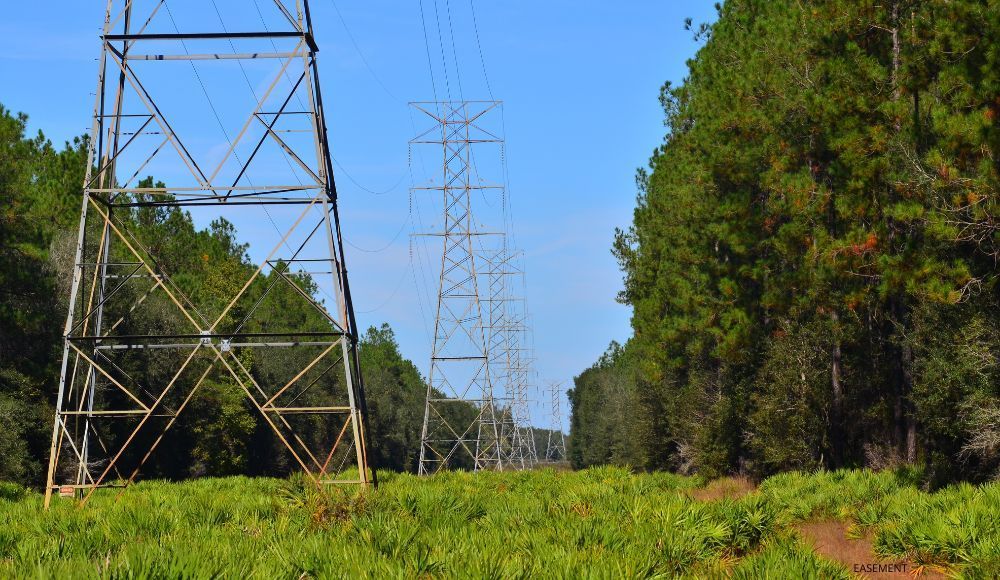
Easements are legal agreements granting rights to individuals or entities to utilize another's land for specific purposes. They facilitate access, utility installation, and maintenance, balancing landowner privileges with societal and infrastructure needs. Thus, they ensure efficient land use and minimize potential disputes requiring legal real estate intervention.
Types of Easements
There are several types of easements in property use, including:
- Appurtenant easements are tied to the land, benefiting an adjacent property and typically passing with property ownership.
- Easements in gross benefit an individual or entity, not tied to any specific property but often used for utility access.
- Prescriptive easements are acquired through continuous and open use over a legally defined period without the owner's permission.
- Express easements are created through a written agreement between the property owner and the easement holder.
- Implied easements arise from circumstances, often when properties are divided and a necessity for access becomes apparent.
- Easements by necessity are granted when land access is necessary, often because the land would be inaccessible otherwise.
Understanding these different types of easements is crucial for property owners, as they can significantly impact land use rights and responsibilities. Each type serves a specific purpose in balancing the needs of various parties while ensuring efficient use of land resources.
Creating and Terminating Easements
Creating easements involves a written agreement between the property owner and the party obtaining the easement. This agreement is often documented through a deed or contract detailing the easement's scope, duration, and specific use. It is usually recorded with the local land records office to establish its legality and public awareness. Easements can also arise through necessity, implication, or prescription, such as prolonged, unchallenged land use.
Terminating easements can occur through various methods. The most straightforward is a mutual agreement between involved parties, documented and recorded formally. Easements can also end if the benefiting party acquires the land, making the easement unnecessary, or through abandonment, where non-use over a significant period demonstrates relinquishment.
Additionally, changes in the property that render the easement impractical or unnecessary can lead to termination. Legal proceedings may sometimes be required to resolve disputes over the easement's validity or termination.
Disputes and Legal Resolutions
If disputes occur over easements, there are several legal resolutions available:
- Negotiation and mediation are often the first steps in resolving easement disputes.
- Arbitration is another option if negotiation and mediation fail. An impartial arbitrator or panel reviews evidence and arguments from both sides and makes a binding decision.
- Litigation happens when all other methods fail. It involves filing a lawsuit in court to reach a final decision. These proceedings are potentially lengthy and costly.
- Quiet title action is a legal proceeding to establish clear property ownership and easement rights.
- Declaratory relief involves asking the court to determine the rights and obligations of parties regarding the easement.
Remember, it is best to consult an experienced real estate attorney who can evaluate the situation and recommend the most appropriate legal strategy when facing an easement dispute.
Contact the Real Estate Lawyers at Bingaman Hess Today
Do you want to experience the benefits of working with a real estate lawyer? Contact Bingaman Hess to schedule a consultation with one of our experienced real estate law attorneys. Our seasoned legal professionals bring a wealth of skill and experience to every case, ensuring you receive the highest level of representation and personalized attention.
This article is for informational purposes only and does not constitute legal advice. No one may rely on this information without consulting an attorney. Anyone who attempts to use this information without attorney consultation does so at their own risk. Bingaman Hess is not and shall never be responsible for anyone who uses this information. It is not legal advice.
News & Information