What You Need to Know About Pennsylvania Property Taxes
Pennsylvania property taxes can be pretty complicated, and not understanding how these taxes are calculated or if there are ways to lower them can cost PA homeowners money. Some basic knowledge and an experienced real estate attorney can help.
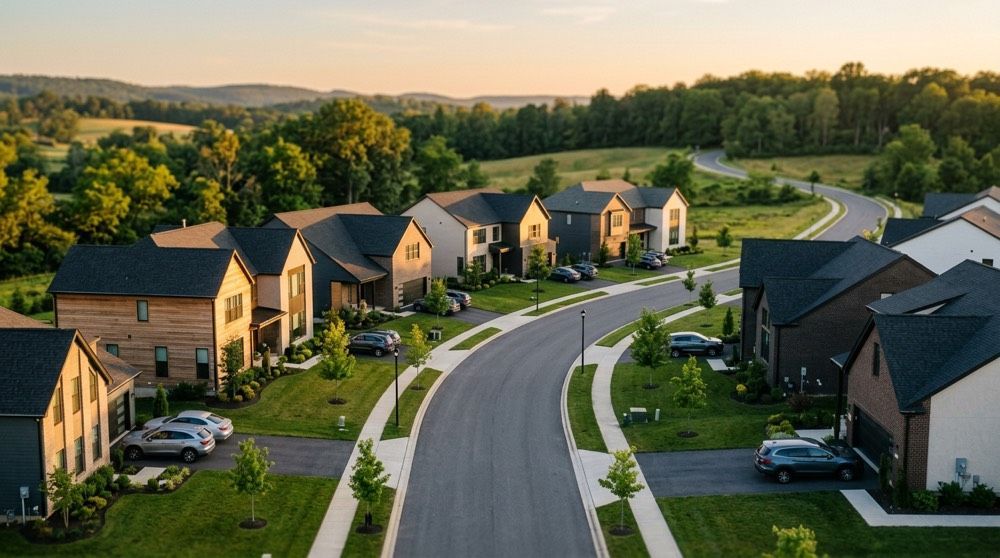
While Pennsylvania has a lot to offer – beautiful rolling hills, a rich history, proximity to large cities, low cost of living, etc. - there's no denying that property taxes are a significant expense to Pennsylvania homeowners. In fact, PA property taxes are higher than the national average and vary significantly from county to county and even within each school district and municipality. PA's average effective property tax rate can range from .87% to 2.45%, with a 1.36% average rate.
Anyone who owns property in the commonwealth is required to pay property taxes, which are used to fund public services, such as schools, roads, bridges, parks, police, etc. The commonwealth does not charge a property tax; however, each of the 67 counties, along with municipality and/or local taxing authorities (such as school districts), has its own property tax assessment system.
How are Property Taxes Determined in Pennsylvania?
All Pennsylvania counties base their property taxes on the assessed value of your home, which is determined by the county or municipality assessor. However, some counties base it on 100% of the current market value of your home, while others use a fraction of the home's current market value to determine your rate. The reassessment of your property value may occur but the timing of that reassessment varies from county to county.
The PA State Tax Equalization Board publishes the Common Level Ratios (CLR), which is the average ratio between the assessed value and the market value within a county. The CLR is sometimes used to appeal an assessment; however, the burden of proof is on the homeowner.
Tax rates are stated as "mills," with one mill equal to $1 of property tax for every $1,000 in assessed value. However, because each county has its own system to determine assessed values, mill rates are not comparable across all counties. Therefore, if you want to compare apples to apples, it's better to look at the "effective tax rate," which reflects the percentage of a home's value in property tax.
PA Property Tax Exemptions
Some PA homeowners may qualify for exemptions that may lower their property taxes.
- Homestead/Farmstead Exemption – If you own your primary residence, you may be eligible for this exemption, which reduces the taxable portion of your property's assessed value.
- Pennsylvania's Property Tax/Rent Rebate Program – "The rebate program benefits eligible Pennsylvanians age 65 and older; widows and widowers age 50 and older; and people with disabilities age 18 and older. The income limit is $35,000 a year for homeowners and $15,000 annually for renters, and half of Social Security income is excluded," the PA Department of Revenue states. "The maximum standard rebate is $650, but supplemental rebates for qualifying homeowners can boost rebates to $975."
Real Estate Tax Appeal
Another way to potentially lower your property taxes is to have your home reassessed. Do you think your property taxes are too high? A tax assessment may reveal that your home is assessed too high.
The property lawyers at Bingaman Hess can put you in touch with a real estate appraiser, submit a real estate assessment appeal, and resolve or mediate your tax appeal.
Give us a call today at 610.374.8377 or find us online.
News & Information